
Contents
- 🎵 Origins & History
- ⚙️ How It Works
- 📊 Key Facts & Numbers
- 👥 Key People & Organizations
- 🌍 Cultural Impact & Influence
- ⚡ Current State & Latest Developments
- 🤔 Controversies & Debates
- 🔮 Future Outlook & Predictions
- 💡 Practical Applications
- 📚 Related Topics & Deeper Reading
- Frequently Asked Questions
- References
- Related Topics
Overview
Blockchain technology has the potential to transform the non-profit sector by increasing transparency, accountability, and efficiency. By utilizing blockchain-based solutions, non-profits can enhance their fundraising efforts, streamline their operations, and build trust with their donors and stakeholders. With the ability to create immutable records, blockchain technology can help non-profits demonstrate their impact, reduce administrative costs, and increase their overall effectiveness. As the non-profit sector continues to evolve, the adoption of blockchain technology is becoming increasingly important for organizations looking to make a meaningful difference in the world. According to a report by Deloitte, the use of blockchain technology in the non-profit sector is expected to grow significantly in the next few years, with Nonprofit Technology Network and TechSoup being at the forefront of this movement. The potential benefits of blockchain technology for non-profits are vast, and organizations such as UNICEF and Red Cross are already exploring its potential.
🎵 Origins & History
Blockchain technology has its roots in the early 2000s, but it wasn't until the launch of Bitcoin in 2009 that the concept of a decentralized, digital ledger gained widespread attention. Since then, the use of blockchain technology has expanded beyond cryptocurrency to various industries, including the non-profit sector. Organizations such as World Food Programme and UNHCR have been using blockchain technology to increase transparency and efficiency in their operations. For example, the World Food Programme's Building Blocks project uses blockchain technology to provide cash assistance to refugees, allowing them to purchase food and other essential items.
⚙️ How It Works
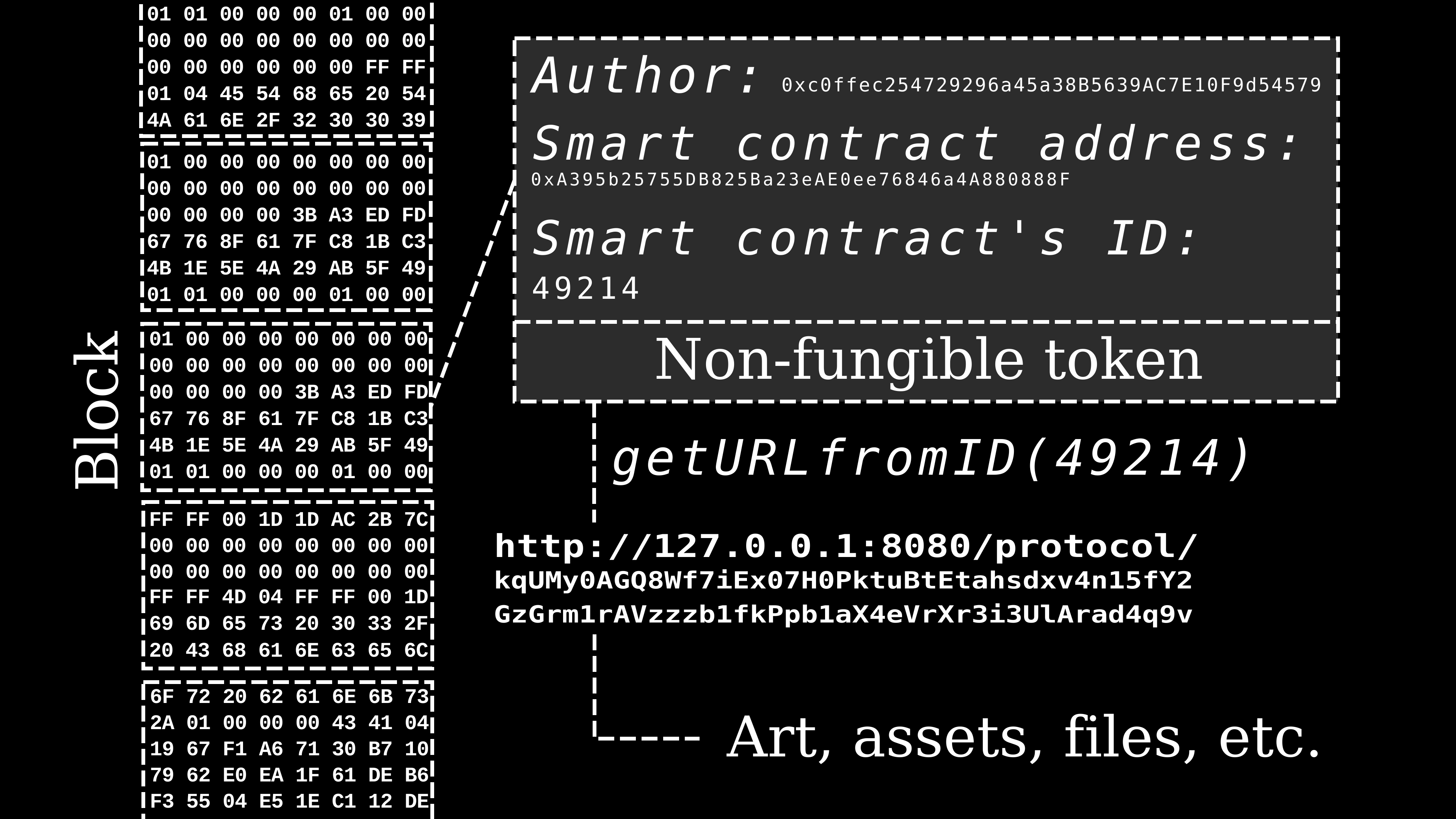
Blockchain technology works by creating a decentralized, digital ledger that records transactions and data across a network of computers. This ledger is immutable, meaning that once data is recorded, it cannot be altered or deleted. In the context of non-profits, blockchain technology can be used to create transparent and accountable records of donations, expenses, and program outcomes. For instance, Donorbox is a platform that uses blockchain technology to provide a secure and transparent way for donors to support their favorite non-profits. By using blockchain technology, non-profits can reduce administrative costs, increase efficiency, and build trust with their stakeholders.
📊 Key Facts & Numbers
According to a report by CoinDesk, the use of blockchain technology in the non-profit sector is expected to grow significantly in the next few years. In 2020, the non-profit sector saw a significant increase in the use of blockchain technology, with organizations such as GiveCrypto and BitGive using blockchain technology to facilitate donations and track program outcomes. The report also notes that the use of blockchain technology can help non-profits reduce their administrative costs by up to 30%. For example, the Against Malaria foundation uses blockchain technology to track the distribution of bed nets and other essential items, allowing them to ensure that their programs are effective and efficient.
👥 Key People & Organizations
Key people and organizations in the non-profit sector are playing a crucial role in the adoption of blockchain technology. For example, Alex Gladstein, the Chief Strategy Officer at the Human Rights Foundation, has been a vocal advocate for the use of blockchain technology in the non-profit sector. Organizations such as Tech for Good and Social Impact are also working to promote the use of blockchain technology in the non-profit sector. Additionally, UN Foundation and Gates Foundation are exploring the potential of blockchain technology to increase transparency and accountability in the non-profit sector.
🌍 Cultural Impact & Influence
The cultural impact of blockchain technology on the non-profit sector is significant. By increasing transparency and accountability, blockchain technology can help build trust between non-profits and their stakeholders. According to a report by Forbes, the use of blockchain technology can help non-profits demonstrate their impact and effectiveness, leading to increased donations and support. For example, the Water.org foundation uses blockchain technology to track the impact of their programs, allowing them to demonstrate their effectiveness to donors and stakeholders.
⚡ Current State & Latest Developments
The current state of blockchain technology in the non-profit sector is one of rapid growth and development. Organizations such as UNICEF and Red Cross are exploring the potential of blockchain technology to increase transparency and accountability in their operations. Additionally, the use of blockchain technology is becoming increasingly important for non-profits looking to demonstrate their impact and effectiveness. For instance, the GlobalGiving platform uses blockchain technology to provide a secure and transparent way for donors to support their favorite non-profits.
🤔 Controversies & Debates
Despite the potential benefits of blockchain technology, there are also controversies and debates surrounding its use in the non-profit sector. For example, some critics argue that the use of blockchain technology can be overly complex and expensive, making it inaccessible to smaller non-profits. Others argue that the use of blockchain technology can create new risks and challenges, such as the potential for hacking and data breaches. However, organizations such as Blockchain for Civil Society are working to address these concerns and promote the responsible use of blockchain technology in the non-profit sector.
🔮 Future Outlook & Predictions
The future outlook for blockchain technology in the non-profit sector is promising. As the technology continues to evolve and improve, it is likely that we will see increased adoption and innovation in the non-profit sector. According to a report by PwC, the use of blockchain technology is expected to grow significantly in the next few years, with non-profits being at the forefront of this movement. For example, the World Bank is exploring the potential of blockchain technology to increase transparency and accountability in the non-profit sector.
💡 Practical Applications
Practical applications of blockchain technology in the non-profit sector are numerous. For example, blockchain technology can be used to create transparent and accountable records of donations, expenses, and program outcomes. Additionally, blockchain technology can be used to facilitate donations and track program outcomes, allowing non-profits to demonstrate their impact and effectiveness. Organizations such as Donorbox and GiveCrypto are already using blockchain technology to provide a secure and transparent way for donors to support their favorite non-profits.
Key Facts
- Year
- 2020
- Origin
- Global
- Category
- social-impact
- Type
- concept
Frequently Asked Questions
What is blockchain technology and how can it be used in the non-profit sector?
Blockchain technology is a decentralized, digital ledger that records transactions and data across a network of computers. It can be used in the non-profit sector to increase transparency and accountability, facilitate donations and track program outcomes, and reduce administrative costs and increase efficiency. For example, the World Food Programme uses blockchain technology to provide cash assistance to refugees, allowing them to purchase food and other essential items.
What are the potential benefits of using blockchain technology in the non-profit sector?
The potential benefits of using blockchain technology in the non-profit sector include increased transparency and accountability, reduced administrative costs and increased efficiency, and the ability to demonstrate impact and effectiveness. According to a report by CoinDesk, the use of blockchain technology in the non-profit sector is expected to grow significantly in the next few years.
What are the potential drawbacks of using blockchain technology in the non-profit sector?
The potential drawbacks of using blockchain technology in the non-profit sector include the potential for hacking and data breaches, the need for significant investment in infrastructure and training, and the potential for unequal access to blockchain technology. However, organizations such as Blockchain for Civil Society are working to address these concerns and promote the responsible use of blockchain technology in the non-profit sector.
How can non-profits get started with using blockchain technology?
Non-profits can get started with using blockchain technology by researching and understanding the potential benefits and drawbacks, identifying areas where blockchain technology can be used to increase transparency and accountability, and partnering with organizations that have experience with blockchain technology. For example, the Nonprofit Technology Network and the TechSoup are organizations that provide resources and support for non-profits looking to adopt blockchain technology.
What is the current state of blockchain technology in the non-profit sector?
The current state of blockchain technology in the non-profit sector is one of rapid growth and development. Organizations such as UNICEF and Red Cross are exploring the potential of blockchain technology to increase transparency and accountability in their operations. Additionally, the use of blockchain technology is becoming increasingly important for non-profits looking to demonstrate their impact and effectiveness.
What is the future outlook for blockchain technology in the non-profit sector?
The future outlook for blockchain technology in the non-profit sector is promising. As the technology continues to evolve and improve, it is likely that we will see increased adoption and innovation in the non-profit sector. According to a report by PwC, the use of blockchain technology is expected to grow significantly in the next few years, with non-profits being at the forefront of this movement.
How can blockchain technology be used to increase transparency and accountability in the non-profit sector?
Blockchain technology can be used to increase transparency and accountability in the non-profit sector by creating a decentralized, digital ledger that records transactions and data across a network of computers. This ledger is immutable, meaning that once data is recorded, it cannot be altered or deleted. For example, the Donorbox platform uses blockchain technology to provide a secure and transparent way for donors to support their favorite non-profits.
What are some examples of non-profits using blockchain technology?
Some examples of non-profits using blockchain technology include the World Food Programme, which uses blockchain technology to provide cash assistance to refugees, and the Against Malaria foundation, which uses blockchain technology to track the distribution of bed nets and other essential items. Additionally, organizations such as UNICEF and Red Cross are exploring the potential of blockchain technology to increase transparency and accountability in their operations.